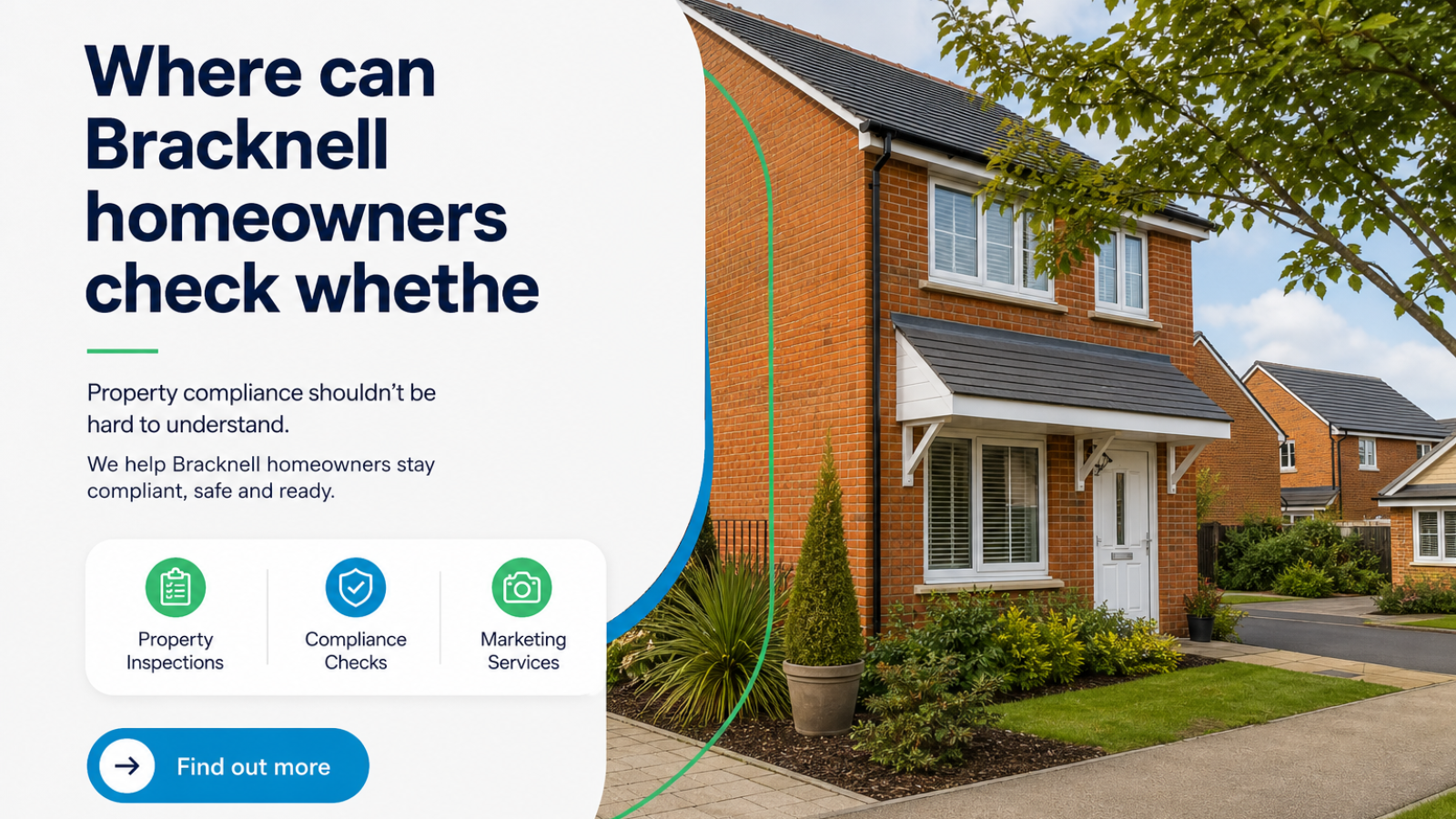
Where can Bracknell homeowners check whether an extension needs planning permission or building regulations approval?
Start with Bracknell Forest Council’s planning and building control information, using the property’s full address to confirm that it is the relevant authority. Whether your extension needs planning permission cannot be answered reliably from “Bracknell” alone. Planning permission and building regulations approval are separate checks: establish the position for each before proceeding. Use the <a href="https://www.bracknell-forest.gov.uk/">council website</a>, the <a href="https://www.gov.uk/find-local-council">GOV.UK council finder</a> and the official guidance on <a href="https://www.gov.uk/planning-permission-england-wales">planning permission</a> and <a href="https://www.gov.uk/building-regulations-approval">building regulations approval</a>.
Key takeaways
- Begin with the address and the proposed or existing work, rather than a neighbour’s experience.
- Keep planning records and building control records in separate sections of your project folder.
- For an existing extension, compare the paperwork with what is actually built and flag any differences.
- Ask which route provides the formal confirmation you need; do not assume an informal reply settles everything.
Extension planning permission Bracknell: check the address first
The most useful starting point is a small property file that explains where the home is and what you want to check.
Use the full postal address and postcode in the official council finder. If it identifies Bracknell Forest Council, use the council’s website to find its planning information and Bracknell Forest building control guidance. Avoid relying solely on an estate agent’s area description or a search result headed “Bracknell”.
For proposed work, gather a sketch, photographs and a plain-English description. For an existing extension, start with the documents supplied when you bought the property. Keep original files and clearly label anything whose date or purpose is uncertain.
> TREAT NEARBY EXTENSIONS AS INSPIRATION, NOT CONFIRMATION — A similar-looking extension next door is useful design context, but it does not establish the correct route for your property. Ask the council to consider your address and your particular work.
Give planning and building control separate questions
One enquiry about “permission” can hide two different issues.
The planning question: does this extension require a planning application, or could it fall within permitted development rights? GOV.UK explains that some work can proceed without a planning application, subject to the relevant rules. Do not assume those rules apply to your home without checking the details. See official planning permission guidance.
The building control question: what building regulations approval is needed for the work? GOV.UK identifies home extensions as work for which approval may be needed and explains that building regulations approval is different from planning permission. See official building regulations guidance.
For the planning enquiry, describe the extension’s position, appearance and relationship to the existing house. For building control, describe the proposed construction and changes to the existing building. Ask each team what additional drawings or technical information it needs rather than assuming the same submission will answer both questions.
If you want formal confirmation of the planning position, ask whether a lawful development certificate is appropriate. GOV.UK explains that this can establish whether an existing use or development, or a proposed development, is lawful for planning purposes. It is not a substitute for the separate building regulations check. Sources: lawful development certificates and building regulations approval.
Already built? Investigate the paperwork gaps first
Checking an inherited extension calls for a records exercise before assumptions about what needs fixing.
Look for planning references, decision notices, approved drawings, building control correspondence and completion documents. Record what you have found and what is missing. A folder labelled “extension” may contain useful correspondence without containing the final documents you are looking for.
- Compare the drawings with the extension’s present layout and visible features.
- Note any differences without deciding for yourself whether they are significant.
- Separate documents describing proposed work from those recording decisions or completed work.
- Ask the relevant council teams how to search Bracknell Forest planning records and, separately, any building control records you are missing.
Missing paperwork is a reason to investigate, not a sound basis for declaring the extension either approved or unauthorised. Explain exactly what you have and ask what evidence is needed next.
If building regulations approval appears to be missing, ask building control whether regularisation is relevant to the circumstances. GOV.UK describes this route for certain work already carried out, but it should not be treated as an automatic solution. See building regulations approval guidance.
Send a clear enquiry, not just “Do I need permission?”
A focused description helps the council understand what you need confirmed.
State whether you are considering an extension, changing a previous proposal or checking completed work. Ask the planning team about property-specific restrictions and the appropriate route for formal confirmation. Ask building control separately about the approval route and supporting information.
Information to have ready
- [ ] Full property address and postcode.
- [ ] Property type and a description of the existing layout.
- [ ] A description of the proposed or completed extension.
- [ ] Available drawings, measurements and photographs.
- [ ] Previous application references and decision documents.
- [ ] Known building control correspondence or completion paperwork.
- [ ] Specific uncertainties, including differences between drawings and the building.
Be clear about uncertainties. “The seller supplied this drawing, but I cannot identify a decision notice” is more useful than “I think it was approved”. Ask the council which enquiry channel to use and whether it needs a formal submission to answer your question.
Turn the replies into a clear next-step record
Your aim is to know what to do next, who is responsible and what remains unresolved.
Save each reply with the drawings and description it relates to. Record the recommended planning route, the building control route and any information still requested. If the proposal changes, ask whether the earlier response still applies.
At AG Site Solutions, our services include EPCs and floor plans for Bracknell homeowners, landlords and agents. We do not provide planning advice, extension design, building control approval or legal advice. Do not treat a property-marketing floor plan as confirmation that an extension has the necessary approvals.
For the separate task of presenting a home to buyers, read How can buyers use a floor plan to decide whether a home is worth viewing?
Before proceeding with your extension, confirm the appropriate route with the council for your address and the work involved. If you also need an EPC or a floor plan for selling or letting, we can discuss that separate property-service requirement.
From uncertainty to a focused council enquiry
- Identify the questionExplain whether you are proposing work or investigating an existing extension.
- Attach the relevant evidenceInclude the address, available drawings and references, clearly marking anything uncertain.
- Request the appropriate routeAsk planning and building control separately what formal action or further information is needed.
- Resolve outstanding pointsKeep the responses together and confirm the route with the council before proceeding.
Before acting on a council response
- Does the response identify the correct property?
- Does it refer to the work you actually intend to carry out or investigate?
- Is it clear whether the response concerns planning or building control?
- Have you identified any further submission or evidence requested?
- Have you clarified anything that remains uncertain?
Confirm your extension’s planning and building control route with the council first. For separate EPC or floor plan requirements, contact AG Site Solutions to discuss the property.
Frequently asked questions
Can I make an initial enquiry before commissioning detailed drawings?
Ask the council what information it needs for an initial response. Explain that your proposal is at an early stage and identify any details that are still undecided.
What if my address does not appear correctly in the council finder?
Contact the council with the full address and explain the discrepancy. Ask it to confirm the responsible authority before sending an application.
Should I include work elsewhere in the house in my extension enquiry?
Describe the whole intended project, including associated alterations. Ask the relevant team which elements it needs to consider together.
What if the house has been extended more than once?
Create a simple record of each known phase and mark uncertain details clearly. Ask the council how those earlier works should be addressed in your enquiry.
Can my builder contact the council for me?
Ask the council how it handles enquiries through a representative. Agree who will submit information and make sure you receive copies of the correspondence.
Can the council tell me whether an extension is structurally sound from photographs?
Do not rely on an administrative enquiry as a structural assessment. Describe your concerns and ask what professional inspection or technical evidence is appropriate.
What should I do if I am buying a home with an extension?
Give the extension documents and any unanswered questions to your conveyancer. Ask them to explain what further checks are appropriate before you commit.
Should I send my entire house-purchase file to the council?
Ask which documents are relevant rather than sending everything. Keep unrelated financial and personal information out of the enquiry.