
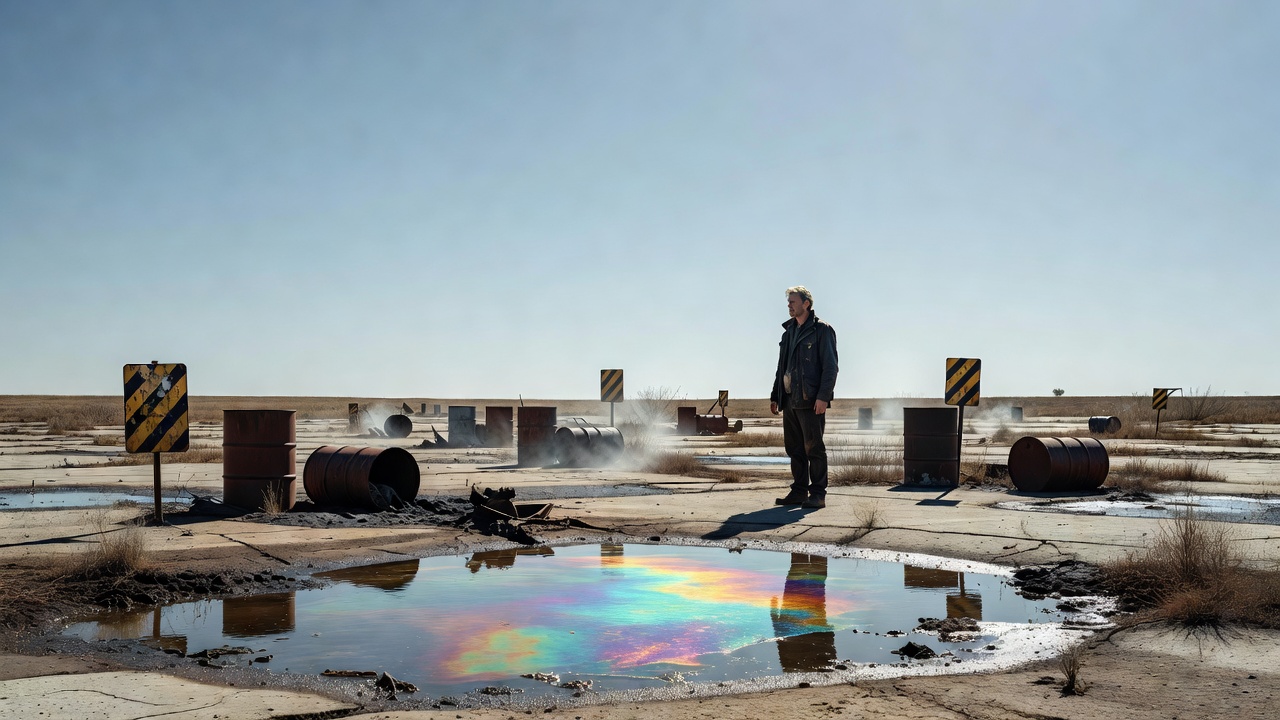
Are the toxic waste sites in Michael Sheen’s documentary just the start?
Possibly — but estate and letting agents should not assume that every property near a former industrial or waste site is affected, or that the documentary itself changes a property’s status. The immediate priority is to separate what has been reported from what is known about an individual address, keep marketing accurate, and encourage owners to obtain appropriate specialist advice where a genuine concern is identified.
For agencies handling property in Slough, the practical starting point is the full property address and postcode, rather than a broad reference to the town or a nearby place name mentioned in coverage. That helps distinguish a question about a specific instruction from a general concern about the wider area, without implying that any Slough property is affected.
Key takeaways
- A documentary or news report can raise an important local question, but it does not by itself establish contamination at a particular property.
- Agents should avoid unsupported statements about a site’s safety, historic use or environmental condition.
- Clear records, careful wording and early escalation of credible concerns help agents handle enquiries consistently.
- Property-specific environmental, legal and technical questions need the right qualified specialist rather than a general assumption.
The short answer
The report is a prompt to review how concerns are handled, not a reason to make blanket claims about local homes or commercial premises.
The BBC has reported on Michael Sheen’s documentary concerning toxic waste sites, using the description “tip of the iceberg”. That is significant public-interest reporting, and agents may understandably receive questions from buyers, sellers, landlords and tenants. But the practical position remains property-specific: a news story cannot confirm the condition, history or suitability of an individual property.
For estate and letting agents, the right response is calm and evidence-led. Do not dismiss a concern without checking what is known, but do not speculate either. Explain that questions about possible land contamination, historic waste activity or environmental risk may require specialist investigation and legal advice from the client’s own advisers.
> KEEP THE DISTINCTION CLEAR — Reported concern: a programme or article has brought an issue to public attention. Property fact: information that can be evidenced for the specific address, development or nearby site. These are not the same thing.
Why this matters now
News coverage can move quickly from a broad issue to very specific property questions.
The BBC article was published on 25 August 2026 and has put the subject in front of a wider audience. In practice, that can mean more questions during viewings, more requests for reassurance, and more scrutiny of wording used in listings and conversations.
For a Slough branch or property team, that may include a buyer or tenant asking whether a local reference in the coverage relates to a particular instruction. The response should remain address-led: check the property file, identify the exact concern and avoid treating proximity to a place mentioned in a report as proof of a problem. A postcode can help the team record and investigate the enquiry accurately, but it does not establish an environmental conclusion.
This is particularly relevant where a property is close to land with an industrial, landfill, quarrying or other potentially sensitive historic use — but proximity alone should not be treated as proof of a problem. A buyer or tenant may have heard a place name in coverage and reasonably ask whether it affects the home they are considering. The agent’s role is to respond accurately, record the query and direct the client towards the appropriate route for a substantiated answer.
For letting teams, it is also worth ensuring that negotiators and property managers give a consistent response. An improvised assurance from one member of staff can create confusion later, especially if it goes beyond the information held on the property file.
What is actually confirmed
The available report should be treated as reporting on a wider issue, rather than proof about every location mentioned or inferred by the public.
What can be stated from the supplied BBC report is limited: it concerns toxic waste sites highlighted in a Michael Sheen documentary and characterises the issue as potentially wider than the locations brought to light. That is the reported context.
What is not established by that headline alone is whether any named or nearby property is affected, whether a particular development has been investigated, what any investigation found, or what action may follow. Those points need evidence from the relevant records, authorities and suitably qualified professionals — not social media posts, local hearsay or a generalised reading of a news article.
Why careful language matters
- Avoid describing a property, street or district as “contaminated”, “toxic” or “safe” unless the statement is supported by reliable, property-specific evidence.
- Do not imply that an owner, landlord, developer, authority or previous occupier is responsible for an issue without clear evidence and appropriate advice.
- Keep listing descriptions focused on verified property information; do not use a broad environmental story as marketing commentary.
- If a question cannot be answered from the file, say so plainly and arrange for the client to consider the right professional advice.
> VERIFIED FACTS VERSUS INTERPRETATION — The documentary and BBC coverage may indicate that public attention is increasing. Our interpretation is that agents should expect more enquiries and tighten their process. That interpretation is practical guidance, not evidence that any particular property is affected.
What estate and letting agents should do next
A short, repeatable internal process is more useful than either alarm or reassurance.
A sensible response to a property-specific query
1. Log the question exactly — Record what the buyer, tenant, seller or landlord has asked, the address or area they are concerned about, and the date. Avoid rewriting the question into a conclusion.
2. Check the information already held — Review the property file and ask the client whether they hold relevant reports, planning information, warranties or previous professional advice. Do not interpret technical documents beyond your expertise.
3. Keep communications factual — Share verified documents through the appropriate process and make clear where information is unavailable. Do not offer personal assurance about environmental condition.
4. Refer the issue appropriately — Where there is a credible concern, advise the client to seek suitable legal, environmental or other specialist guidance. Buyers and tenants should make their own enquiries and obtain independent advice where needed.
5. Update the team record — Make sure negotiators, property managers and branch colleagues know the agreed wording and any documents supplied, so future responses stay consistent.
A practical, proportionate response
The aim is to help clients make informed decisions without making the agent the decision-maker on a technical environmental issue.
It is reasonable to review active instructions in any area receiving particular attention, especially if a client has already raised a question. For agencies covering Slough, this can be a focused review of the relevant address, postcode and documents already held, rather than a sweeping review of every property in the local market. That review should be limited to the information held and should not become a claim that there is an issue where none has been evidenced. If a seller or landlord wants a clearer position before marketing or re-letting, they can be directed to independent professional advice suited to the concern.
A useful way to handle common enquiries
| Question received | Appropriate agent response | Avoid |
| --- | --- | --- |
| “Is this property affected?” | Explain what verified property-specific information is held and that specialist advice may be needed for a definitive assessment. | Giving an unqualified yes or no. |
| “Was this land a waste site?” | Ask the owner whether relevant records are held and suggest appropriate independent enquiries if needed. | Repeating local rumours as fact. |
| “Can you guarantee it is safe?” | State that you cannot provide that assurance and point the client towards suitable advisers. | Making safety, value or suitability guarantees. |
| “Should we pull out of the sale or tenancy?” | Encourage the person to take independent legal and specialist advice based on their circumstances. | Telling them what legal or commercial decision to make. |
One useful operational point is to keep this separate from the normal property-service work. An EPC, inventory, check-in, check-out, floor plan or property photograph serves a different purpose and should not be presented as an environmental investigation. At AGEPC – AG Site Solutions, we provide property assessment, inspection and compliance-related services across Slough, London and the wider South East; where a client raises a specialist environmental concern, it is important that it is directed to the appropriate qualified adviser rather than folded into a routine property report.
> PREPARE A SHORT TEAM SCRIPT — “We understand why you are asking. We can share the verified information held for this property, but we cannot make an environmental assessment or give legal advice. If you need a property-specific conclusion, please take independent specialist advice.”
Frequently asked questions
Should an agent remove a listing after a toxic-waste-related enquiry?
Not automatically. The right action depends on the information available for that particular property and the advice the client receives. Avoid making a decision based solely on a general news story.
Can an agent share a previous environmental report with an interested party?
That depends on the client’s instructions, the document and the transaction process. Obtain appropriate advice if there is any doubt about disclosure, reliance or confidentiality.
Does a property inventory answer environmental questions?
No. An inventory is a factual record of visible condition and contents at a point in time; it is not an environmental or land-condition assessment.
What should an agent say if they do not know the answer?
Say that you will check the verified information held and come back to them. It is better to be clear about the limits of your knowledge than to offer an assumption.