
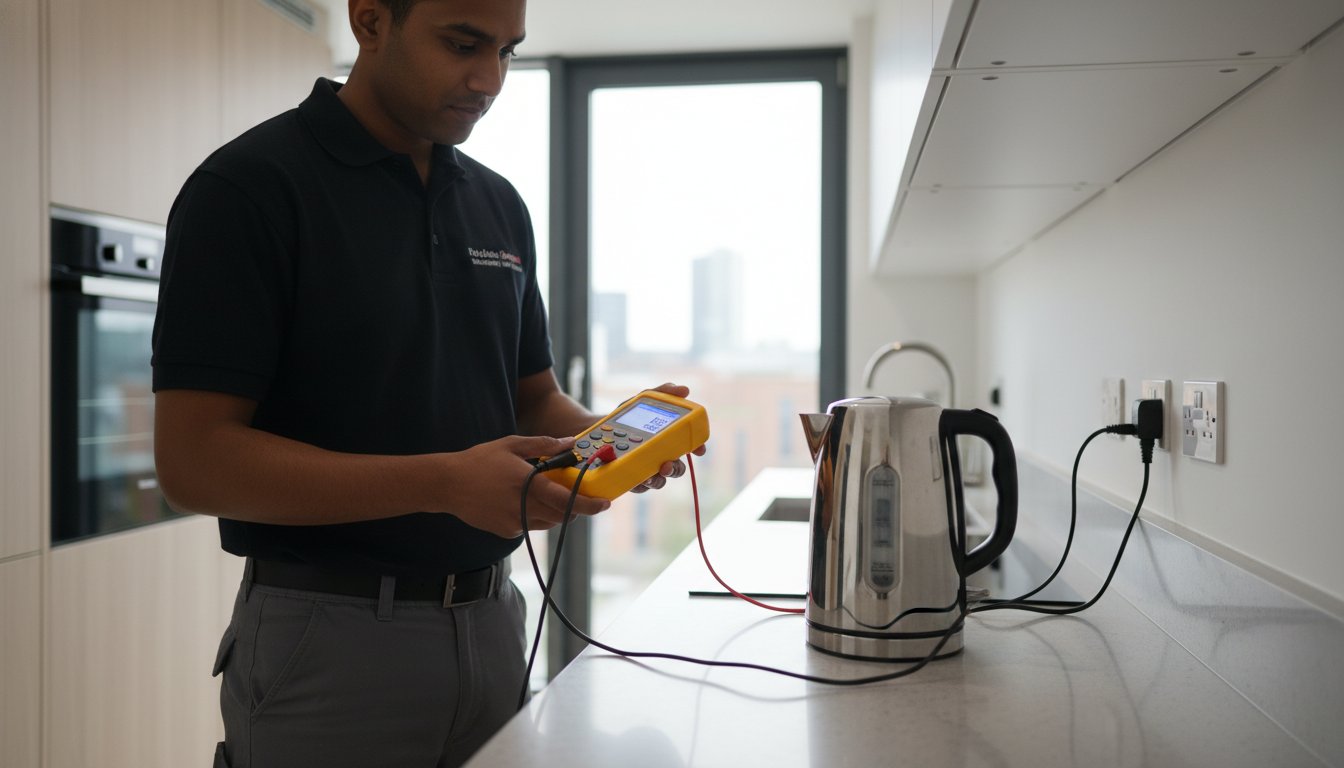
PAT Testing Essentials: The Complete 2026 Guide to Electrical Safety Compliance
Could a single unverified kettle really lead to a £40,000 fine or an invalidated insurance claim? Many property owners treat pat testing as a mere "sticker exercise," but it's actually your primary evidence of electrical due diligence. With electrical hazards causing 53.4% of accidental house fires in England, the gap between "recommended" and "legally required" is narrower than most people think.
It's natural to feel overwhelmed by shifting regulations and the fear of missing a compliance deadline. We're here to clear the confusion and restore your peace of mind. This guide helps you master the essentials of electrical safety to ensure your property remains safe and fully insured. You'll learn exactly how to manage your testing schedule, meet the 2026 social housing standards, and maintain a reliable trail of evidence for your insurers. We'll break down the latest IET risk-based approach so you can protect your tenants and your investment with total confidence.
Key Takeaways
- Identify hidden defects that visual checks miss by understanding the full scope of manual electrical safety testing.
- Navigate the legal requirements of the Electricity at Work Regulations 1989 to protect your tenants and your business reputation.
- Master a risk-based approach to pat testing to create an efficient, cost-effective schedule tailored to your property's specific needs.
- Secure your insurance coverage and prove due diligence with a robust system for tracking and documenting every appliance check.
- Maximise efficiency by integrating electrical safety with your other compliance needs to reduce administrative friction and save time.
Understanding PAT Testing: Why Electrical Safety is Non-Negotiable in 2026
Electrical safety isn't a suggestion. It is a fundamental requirement for any responsible property owner. At its core, What is PAT Testing? involves a systematic inspection of electrical equipment to verify its safety. This process moves beyond a quick glance. It identifies hidden defects like poor earth continuity or insulation breakdown that visual checks simply cannot detect. By prioritising pat testing, you prevent electrical fires, avoid life-changing shocks, and stop costly business interruptions before they start.
The scope is broader than most realise. It covers any item that connects to a power source via a plug. This includes everyday office tech like laptops and monitors, kitchen essentials like kettles, and heavy-duty equipment like industrial drills. If it draws power through a socket, it requires verification. Failing to check these items doesn't just risk safety; it risks your legal standing and insurance validity.
What Qualifies as a "Portable" Appliance?
The term "portable" is often a misnomer in the industry. It doesn't just mean items you can carry. It includes stationary equipment like fridges, vending machines, and large printers. We differentiate between handheld tools, which are high-risk due to constant movement, and transportable equipment that stays in one spot. You must also account for cables and leads. The power cord is frequently the most dangerous component because it's subject to the most physical wear and tear. A damaged lead can be just as lethal as a faulty appliance.
The Three Pillars of Electrical Maintenance
Effective maintenance relies on a tiered approach to safety. This ensures every potential failure point is monitored regularly.
- User checks: These are the first line of defence. Users should perform a quick scan for obvious damage, like burnt pins or frayed wires, before every use.
- Formal visual inspections: This is a structured walk-through by a competent person. They look for specific issues like incorrect fuse ratings or loose cable grips.
- Manual testing: This final pillar uses specialist equipment to check internal integrity. It measures resistance and insulation to ensure the device is electrically sound.
Following this three-step process ensures nothing is left to chance. It's the most efficient way to maintain a safe environment and provide proof of due diligence. Regular pat testing remains the industry standard for meeting these obligations quickly and effectively.
The Legal Framework: Is PAT Testing Mandatory for UK Landlords?
The legal landscape for electrical safety is often misunderstood. While no single law explicitly uses the phrase "thou shalt PAT test," the combined weight of UK legislation makes it a practical necessity. The primary regulation is the Electricity at Work Regulations 1989. This statute requires that all electrical equipment provided in a work or rental environment is maintained in a safe condition to prevent danger. For landlords and employers, this creates a non-negotiable duty of care. You are legally responsible for the safety of every appliance you supply to your tenants or staff.
A significant "evidence gap" exists for those who skip professional checks. If an electrical incident occurs, the burden of proof sits with the property owner. You must demonstrate that you took reasonable steps to ensure safety. Without a documented pat testing history, proving due diligence becomes nearly impossible. This lack of evidence carries heavy consequences. Most property insurance policies contain clauses requiring regular maintenance. If a fire is traced back to an untested appliance, your insurer may invalidate your claim, leaving you liable for all damages and legal costs.
Statutory Requirements vs. Best Practice
Compliance is about results, not just methods. The law demands a "safe condition," but it doesn't specify how you achieve it. However, the Health and Safety Executive (HSE) provides clear UK PAT Testing Regulations guidance that strongly recommends formal testing. This is especially critical following the May 2026 updates for social landlords, where failing to meet safety standards can now result in fines of up to £40,000. Following best practice isn't just about safety; it's about avoiding prosecution and protecting your reputation. To see how these rules fit into your wider obligations, consult our Ultimate UK Property Compliance Roadmap 2026.
Duty Holders and Responsibility
Responsibility rests with the "Duty Holder." In a commercial setting, this is typically the employer. In residential properties, the landlord holds the obligation for any appliances provided as part of the tenancy. If you provide a furnished flat, every toaster, kettle, and fridge must be safe for use. You can book a professional assessment to ensure every item in your portfolio meets these rigorous standards quickly and efficiently. Our experts help you identify your specific duties and create a clear record of compliance that satisfies both the law and your insurers.

Visual Inspections vs. Manual Testing: How the Process Works
Professional pat testing is a two-stage process. It combines a rigorous physical examination with technical electronic measurements. The first stage is the formal visual inspection. This isn't just a quick glance. It is a methodical check of the plug, the cable, and the appliance casing. We look for frayed wires, cracked plugs, and tell-tale burn marks that indicate internal overheating. Most electrical faults are discovered during this visual phase, making it a vital first line of defence for your property.
Manual testing follows the visual check to identify hidden dangers. We use specialised equipment to verify the internal integrity of the device. This includes earth continuity testing to ensure the safety wire is properly connected. We also measure insulation resistance to confirm that electricity stays within its designated path. According to UK government guidance on PAT testing, these technical measurements are essential for finding faults that the naked eye cannot see. Finally, we perform functional checks to ensure the appliance operates as intended without sparking or erratic behaviour.
Understanding Equipment Classes
Not every appliance is tested in the same way. We categorise equipment into three distinct classes to determine the correct testing protocol. This clarity ensures your property is safe without performing unnecessary or damaging tests on sensitive electronics.
- Class I equipment: These items rely on an earth connection for safety. Examples include kettles, toasters, and washing machines. They require full earth continuity and insulation tests.
- Class II equipment: These are double-insulated items. They don't require an earth connection because they have two layers of insulation. Common examples include hair dryers, lamps, and televisions.
- Class III equipment: These are low-voltage items, often powered by a transformer. Laptops and mobile phone chargers fall into this category. Whilst they carry lower risks, their power leads still require regular verification.
The PAT Testing Report
Transparency is the cornerstone of our service. Once the testing is complete, you receive a comprehensive report that serves as your primary evidence of compliance. This document is your shield against liability and insurance disputes. It includes a full inventory of every appliance tested in the property. Each item is logged with its specific location and a clear Pass or Fail result. If an item fails, we provide detailed notes on the defect and any immediate rectifications made. You then receive a formal certificate. This is a professional record you can present to insurers, local authorities, or tenants to prove you have met your legal duty of care.
Frequency and Compliance: Organising Your PAT Testing Schedule
Determining how often to test shouldn't be guesswork. The latest IET Code of Practice (5th Edition) moves away from rigid annual schedules. It favours a risk-based approach instead. This means you assess the equipment type, its environment, and the frequency of use to set your own timeline. A kettle in a high-traffic office kitchen faces far more wear than a desktop PC in a quiet corner. You must also consider who is using the equipment. Untrained users or high-turnover tenancies increase the likelihood of accidental damage. By tailoring your schedule, you ensure safety whilst avoiding unnecessary costs. It's about being smart, not just compliant.
Environment plays a pivotal role. High-risk settings like construction sites or commercial kitchens require frequent, rigorous checks. Equipment here is moved often and exposed to moisture, grease, or heat. Conversely, low-risk areas like hotel rooms or administrative offices allow for longer cycles. You don't need to test every item every year if the risk doesn't justify it. Even brand-new equipment requires attention. Don't assume a factory seal guarantees safety. Manufacturing faults occur. A quick initial check ensures your new assets are ready for service without risking your tenants' safety or your insurance status.
Suggested Testing Intervals
Consistency is key to a robust safety programme. Professionals generally follow these standard intervals to maintain a high level of protection:
- Handheld tools: These face constant physical stress and cord strain. Testing every 6 to 12 months is standard amongst industry experts.
- Office equipment: Stationary PCs and printers are low-risk. Intervals of 24 to 48 months are often sufficient for these items.
- Landlord portfolios: Aligning your pat testing with other requirements like Domestic EPC assessments streamlines your admin. It saves time and ensures no property is overlooked during busy turnover periods.
Who Can Carry Out the Test?
The law requires a "competent person" to perform the work. This means they must have the right knowledge, training, and calibrated equipment to interpret results accurately. DIY testing is a significant risk. Whilst you might save a few pounds upfront, self-testing often fails to satisfy insurance investigators or legal scrutiny. You need a verifiable paper trail that stands up to pressure. Professional accreditation provides the peace of mind you need. It ensures your records are legitimate and your property is truly safe. You can arrange your professional PAT test today to secure your compliance record with a trusted expert.
Streamlining Your Property Compliance with Professional PAT Testing
Efficiency is the ultimate goal for modern property management. You shouldn't have to juggle multiple contractors for different certificates. We offer a one-stop solution that integrates pat testing with your Domestic EPC and inventory reports. This approach maximises speed. It reduces administrative friction. You get everything you need in a single visit, allowing you to focus on growing your portfolio instead of managing paperwork.
Tenant satisfaction is just as important as compliance. Our assessors work quickly. They are trained to be discreet and professional. This ensures your tenants are not disturbed whilst we verify the safety of their home. Once the check is complete, you don't wait for the post. We provide instant digital record keeping. You receive your reports and certificates via email for easy sharing with insurers or local authorities immediately. We also provide proactive reminders. Our automated tracking system ensures you never miss a compliance deadline again. It is the most reliable way to maintain your property's safety status.
The AG Property Services Advantage
Choosing the right partner makes the difference between a box-ticking exercise and genuine peace of mind. We provide a service built on trust and transparency. Our expert assessors are qualified professionals who understand the nuances of property safety and the latest 2026 regulations. We believe in transparent pricing. You get clear, upfront costs with no hidden "per-item" surprises. Whether you have one property or a large commercial portfolio, our national coverage ensures a consistent, professional service across the entire UK. We are the facilitator you can rely on.
Next Steps for Total Compliance
Achieving total compliance is straightforward. Follow these steps to secure your property today:
- Audit your appliances: Walk through your property to identify what needs testing today. Look for provided kettles, microwaves, and white goods.
- Book your assessment: Secure your property safety in just a few clicks. Use our streamlined booking platform to find a time that fits your schedule.
- Combine and save: Ask about our comprehensive marketing and safety packages. Combining pat testing with professional photography or floor plans offers the best value for your investment.
Take control of your compliance schedule now. It is the fastest way to protect your tenants and your business investment.
Secure Your Property Compliance Today
Electrical safety shouldn't be a source of stress or administrative burden. You now understand that a risk-based approach to pat testing is the most effective way to meet your legal duties whilst protecting your property investment. By identifying hidden defects and maintaining a clear digital evidence trail, you satisfy both the law and your insurance providers with minimal effort. This proactive strategy turns a complex requirement into a simple, manageable process.
Don't leave your compliance to chance or rely on outdated paper logs. Our accredited UK assessors provide a fast, non-disruptive service that keeps your property running smoothly and your tenants happy. You receive detailed digital compliance reports delivered instantly to your inbox. This removes the friction of manual filing and ensures you are always ready for any regulatory inspection or insurance audit. Speed and accuracy are the cornerstones of a modern safety programme.
Book your professional PAT test today to lock in your safety status and streamline your property management. Taking this simple, proactive step ensures a safer environment for your tenants and long-term peace of mind for you. It's the most efficient way to stay ahead of the 2026 regulations and keep your business fully protected.
Frequently Asked Questions
Is PAT testing a legal requirement for landlords in 2026?
PAT is the industry-standard method to verify that appliances are safe. While not a standalone law for private landlords, the Electricity at Work Regulations 1989 demand all provided equipment is maintained in a safe condition. As of May 2026, social landlords face stricter five-yearly inspection mandates. Professional testing bridges the evidence gap and protects you from potential fines or legal action if an incident occurs in your property.
How often do I need to get my electrical appliances tested?
Testing intervals are determined by a risk-based assessment rather than a fixed annual rule. High-use items in harsh environments, such as kettles in communal kitchens or power tools, typically require checks every 6 to 12 months. Stationary office equipment like printers or desktop PCs are lower risk and can follow a 24 to 48-month cycle. Creating a tailored schedule ensures you remain compliant without performing unnecessary, costly tests on low-risk assets.
Do I need to test brand new appliances?
You should perform an initial inspection on all new appliances before they are used. Even brand-new items can arrive with transit damage or manufacturing defects that pose an immediate risk. Including new equipment in your initial pat testing sweep establishes a clear safety baseline. It ensures your compliance records are comprehensive from the first day a tenant moves in or a new office opens.
What happens if an appliance fails the PAT test?
Any appliance that fails must be withdrawn from use immediately to prevent injury. The item should be clearly labelled with a "Fail" sticker and either repaired by a specialist or permanently decommissioned. Our reports provide a clear log of these failures, detailing the specific defect found. This documentation proves you took swift action to remove hazards, which is vital for your insurance and liability protection.
Can I carry out PAT testing myself?
You may only perform the tests if you are considered a "competent person" with the appropriate training and calibrated tools. Most landlords and business owners lack the technical expertise or specialised equipment required to identify hidden electrical faults. Professional testing ensures your results are accurate and legally defensible. Relying on an expert removes the risk of a DIY check being rejected by your insurance company during a claim.
Does PAT testing cover fixed wiring like sockets and light switches?
No, PAT is strictly for moveable equipment that connects to the mains via a plug. Fixed electrical installations, such as the fuse box, sockets, and light switches, require an Electrical Installation Condition Report (EICR). Whilst pat testing focuses on individual devices, the EICR assesses the safety of the property's internal wiring. You must manage both to ensure your property meets all current UK safety standards and remains fully insured.
What information should be on a PAT testing certificate?
A professional certificate must feature a complete inventory of every appliance tested. It should detail the location of each item, the specific test results, and a clear pass or fail status. Crucially, it must also list the date of inspection, the signature of the qualified assessor, and the serial numbers of the calibrated testing equipment used. This level of detail provides the transparency required for rigorous insurance audits and local authority checks.
Is PAT testing required for commercial offices?
Yes, commercial offices must ensure all electrical equipment is safe for employee use. Under the Health and Safety at Work Act 1974, employers are responsible for maintaining a hazard-free environment. Regular testing in an office setting prevents electrical shocks and reduces the risk of fires caused by faulty hardware. It is a proactive way to protect your staff and ensure your business operations continue without unexpected, dangerous interruptions or legal liability.