PAT Testing for HMO Landlords in Slough: The 2026 Compliance Guide
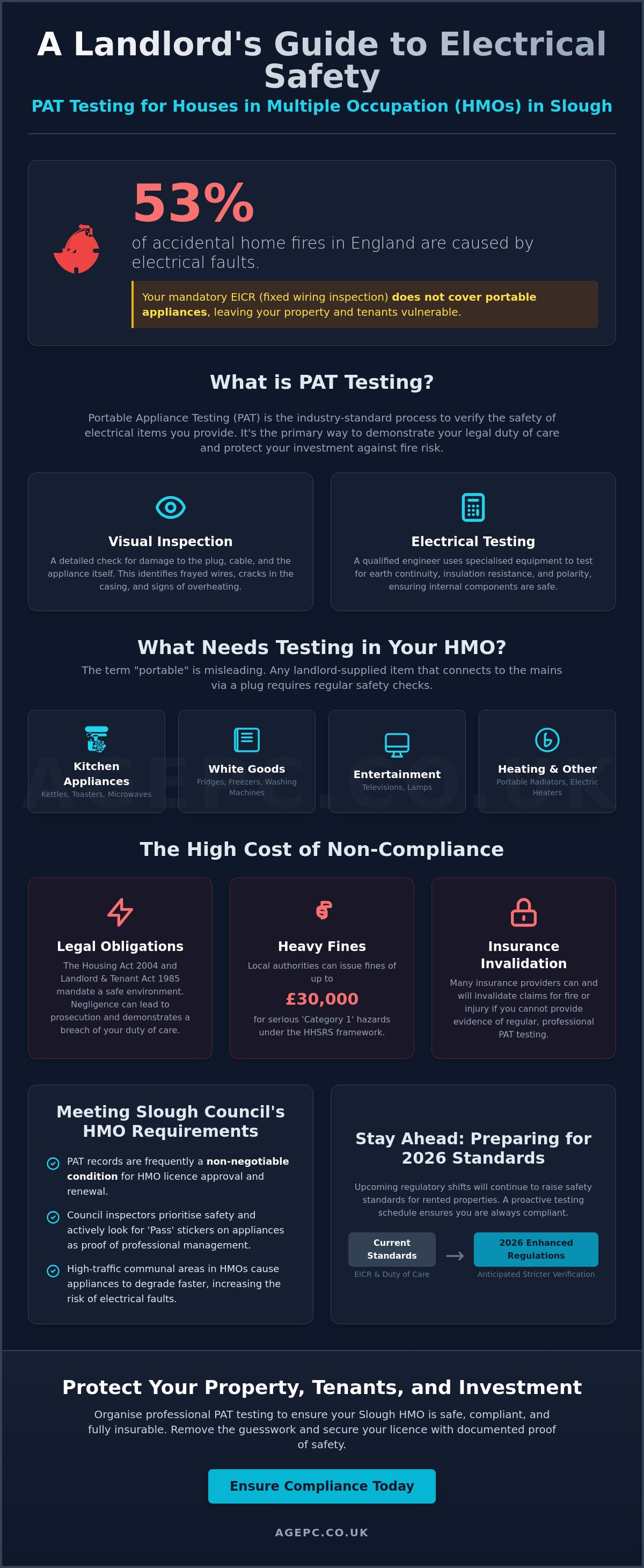
Over 53% of accidental home fires in England are caused by electrical faults. If you're managing a shared property, that statistic represents a significant liability risk. Organising PAT testing for HMO landlords Slough often feels like a complex chore, especially when local council licensing rules seem to shift constantly. You need a clear path to safety that doesn't involve guesswork or wasted time.
It's exhausting to track the wear and tear of appliances across multiple tenancies. You likely already realise that your mandatory EICR doesn't cover portable items, leaving your property vulnerable to avoidable risks. This guide will help you master HMO electrical safety requirements in Slough and ensure your rental remains fully compliant with the latest 2026 standards. We'll preview the upcoming regulatory shifts for social housing, explain how to simplify your maintenance schedule, and show you how to lower your insurance premiums through consistent verification.
Key Takeaways
- Identify the critical legal differences between fixed wiring inspections and the necessary safety checks for portable landlord-supplied appliances.
- Discover why professional PAT testing for HMO landlords Slough is the industry standard for satisfying local council licensing and duty of care obligations.
- Learn how to categorise high-risk communal items to prioritise inspections and prevent electrical fires in high-occupancy properties.
- Master the 2026 compliance timeline to ensure your property portfolio meets the latest safety standards before new regulations take effect.
- Establish a simplified maintenance routine that protects your investment, lowers insurance costs, and removes administrative friction.
Understanding PAT Testing Requirements for Slough HMOs
PAT testing is the systematic inspection of electrical items you provide as a landlord. It's the industry-standard method for proving you've maintained your property's safety. The process combines a detailed visual inspection with formal electronic testing by a qualified professional. For those new to the process, Understanding PAT Testing Requirements involves recognising that while no single statute mandates it, it serves as the primary evidence of your legal duty of care. It's a proactive safety barrier. It protects your tenants and your reputation simultaneously.
In Slough, HMOs face significantly higher scrutiny than standard buy-to-lets. This is due to the intensive usage patterns found in communal areas. When multiple households share a single kitchen, appliances undergo rapid wear and tear. PAT testing for HMO landlords Slough is the only practical way to verify that these shared items haven't become fire hazards between tenancies. Local authorities expect a level of diligence that goes beyond basic visual checks. They want documented proof of safety.
The Definition of a Portable Appliance
The term "portable" is often misleading. It covers any item that connects to the mains via a plug. This includes small kitchen gadgets like kettles and toasters, but it also extends to larger, stationary equipment.
- White goods: Fridges, freezers, and washing machines.
- Heating: Electric heaters and portable radiators.
- Entertainment: Televisions and lamps provided in bedrooms.
Why Slough HMOs Require Specific Attention
Slough Borough Council frequently mandates PAT records as a non-negotiable condition for HMO licence approval. Local inspectors prioritising safety will look for the "green sticker" on appliances. It's a primary indicator of professional management. Without these records, you risk delays in your licensing or potential fines if an incident occurs. Shared kitchens are high-traffic zones where electrical components degrade faster than in a family home. Consistent PAT testing for HMO landlords Slough provides the transparent verification needed to satisfy council requirements and protect your investment. It removes the friction from the licensing process and ensures you're always ready for an unannounced inspection.
The Legal Framework: Why Slough Landlords Must Prioritise PAT
Operating a shared property in Slough involves navigating a dense web of statutory obligations. The Housing Act 2004 dictates that you must provide a safe environment for all occupiers and visitors. This is reinforced by the Landlord and Tenant Act 1985, which mandates that electrical installations are kept in proper working order. While the Electrical Safety Standards in the Private Rented Sector (England) Regulations 2020 primarily focus on fixed wiring, they don't absolve you of responsibility for the appliances you supply. You can find more detail on these obligations in The Legal Framework: Why Slough Landlords Must Prioritise PAT guide provided by the government.
Failure to meet these standards carries heavy consequences. Under the Housing Health and Safety Rating System (HHSRS), local authorities can issue fines of up to £30,000 for serious hazards. In an HMO environment, where appliance usage is intensified, the risk of a "Category 1" hazard is significantly higher. Proactive PAT testing for HMO landlords Slough acts as your primary shield against these penalties. It demonstrates that you've taken the necessary steps to mitigate risk before an inspector even sets foot in the property.
The Duty of Care and Liability
You're legally responsible for any injury caused by faulty appliances you provide. If a tenant is harmed by a defective microwave or kettle, the burden of proof falls on you to show the equipment was safe at the point of use. Professional PAT reports serve as vital evidence in court. They prove a methodical inspection took place. Without this documentation, you're exposed. Many insurance providers will also invalidate claims if they discover regular PAT testing has been neglected. It's a small administrative step that prevents a total financial catastrophe. If you're looking to secure your property today, you can book a professional assessment to ensure every appliance meets current safety thresholds.
2026 Compliance and HMO Licensing
The regulatory landscape is shifting. Current 2026 standards suggest a move towards more rigorous documentation for multi-occupancy homes. Slough's licensing schemes already require landlords to demonstrate "reasonable steps" taken for safety. PAT testing is the most cost-effective way to "tick the box" for council compliance. It’s far cheaper than defending a liability claim or paying a council fine. As we move closer to 2026, expect Slough Borough Council to demand even more transparency regarding appliance maintenance records. Staying ahead of these changes now ensures your licence renewals remain frictionless and your portfolio stays profitable. PAT testing for HMO landlords Slough isn't just about safety; it's about future-proofing your business against increasing legislative pressure.
Identifying Appliances: What Needs Testing in Your Rental Property?
Determining which items require an inspection is the first step toward total compliance. Every electrical item you supply as a landlord must be safe for tenant use at the start of the tenancy and maintained throughout. Integrated appliances, such as built-in ovens or hobs, are typically hard-wired and fall under your mandatory five-yearly EICR. However, anything that connects to the mains via a standard plug requires specific attention. Professional PAT testing for HMO landlords Slough ensures that both the internal circuitry and the external power lead remain fit for purpose. It's a comprehensive check that prevents simple cable frays from turning into life-threatening hazards.
The logic behind these checks is rooted in risk management. The Health and Safety Executive (HSE) offers clear advice on Frequency and Preparation: Organising Your Safety Checks, suggesting that the environment dictates the testing interval. In a high-traffic HMO, communal appliances are the highest priority. These items are used by multiple households daily, leading to faster mechanical wear. Identifying these items early allows you to build a lean, effective maintenance schedule that satisfies both council inspectors and insurance providers.
Communal Area Checklist for Slough Landlords
Shared spaces are the primary focus for local authority inspectors. Focus your PAT testing for HMO landlords Slough on these high-use zones:
- Kitchen Appliances: Toasters, kettles, microwaves, and shared fridge-freezers undergo the most stress.
- Cleaning Equipment: Vacuum cleaners provided for communal hallways or shared rooms are frequently moved and susceptible to lead damage.
- Entertainment: Televisions, lamps, and sound systems located in shared lounge areas must be verified amongst other communal assets.
Tenant-Owned vs. Landlord-Supplied Items
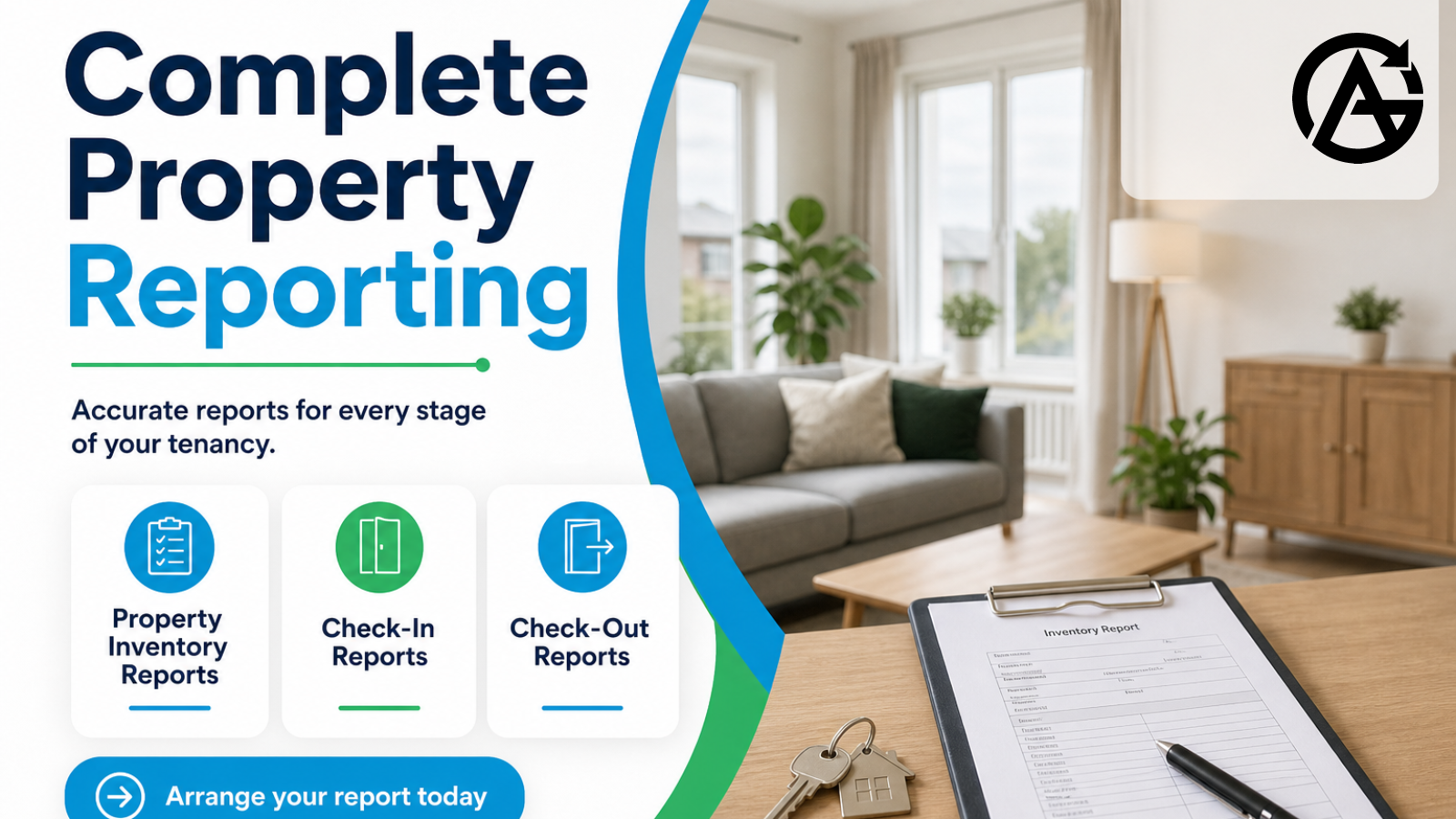
You are not legally obliged to test appliances brought into the property by your tenants. Your liability is strictly limited to the equipment you provide. Whilst you aren't responsible for their personal devices, it's a smart move to include a clause in your tenancy agreement regarding personal appliance safety. This clarifies the boundary of responsibility. You can also use property inventory reports to document exactly which items were present at check-in. Conducting visual checks of tenant items during routine inspections helps you identify obvious hazards like overloaded extension leads or damaged plugs. This proactive approach removes friction and keeps the entire household safe without overstepping your legal requirements.
Frequency and Preparation: Organising Your Safety Checks
Managing an HMO requires a methodical approach to timing. Annual testing is the recommended "best practice" for high-turnover properties in Slough. It provides a consistent paper trail for council inspectors and protects you from liability. You can also streamline your admin by combining PAT testing and EPC assessments into a single visit. This reduces tenant disruption. It ensures all your compliance certificates are synchronised, making renewal dates easier to track. Professional PAT testing for HMO landlords Slough is most effective when it's integrated into your broader property management strategy. It removes the friction of multiple appointments and keeps your records organised.
How Often Should You Test?
The frequency of your inspections shouldn't be a guess. Handheld appliances like kettles and toasters undergo the most significant stress in a shared kitchen. These should be tested every 12 months in an HMO environment. Stationary items, such as fridges or washing machines, can often go 24 months between formal tests. This depends entirely on the initial risk assessment conducted by your engineer. If an appliance is located in a high-traffic communal zone, it naturally requires more frequent verification. Always re-test equipment when a new tenancy begins. This gives you a fresh safety record for the new arrival and proves the item was safe at the point of handover. PAT testing for HMO landlords Slough creates a cycle of safety that never lapses.
Preparing Your HMO for a PAT Inspection
Preparation is the key to a rapid, hassle-free inspection. Ensure all landlord-supplied items are accessible. Don't leave equipment hidden in locked cupboards or behind heavy storage units. If an engineer can't reach the plug, they can't verify the safety of the item. You must provide 24 hours’ notice to tenants if the engineer needs to enter individual bedrooms. This is a legal requirement that maintains positive tenant relationships. Check that communal areas are clear of clutter before the visit. This allows for rapid testing of all sockets and leads without unnecessary delays. Clear communication with tenants is essential. Explain that this is a safety check designed for their protection. If you are ready to simplify your property maintenance, you can book your professional PAT inspection today to ensure your portfolio remains fully compliant.
Streamlining Your Slough Property Compliance with AG Property Services
Compliance shouldn't be a bottleneck for your rental business. AG Property Services delivers rapid, professional PAT testing for HMO landlords Slough to keep your operations moving. We've refined our process to meet the specific demands of the Berkshire property market. Our engineers possess deep knowledge of Slough Borough Council HMO requirements. This ensures your property meets every local standard without delay. We provide detailed digital reports immediately after the inspection. These documents are formatted for instant upload to licensing portals and insurance providers. It's about removing friction and giving you total peace of mind.
Efficiency is at the heart of what we do. You can easily combine your PAT testing with our domestic EPC services for maximum efficiency. Arranging a single visit for multiple certifications reduces the logistical headache of coordinating with tenants. It ensures your safety records and energy ratings are always up to date. This integrated strategy is the most cost-effective way to maintain a high-performing HMO. We act as your proactive partner, ensuring no detail is overlooked.
Why Slough Landlords Choose AG Property Services
Landlords across Slough rely on our no-nonsense approach. We focus on speed and accuracy to save you time and reduce administrative stress. Our team has been a grounded, authoritative presence in the Berkshire and Buckinghamshire area since 2012. We don't just tick boxes. Every inspection includes a comprehensive asset register of every tested item. This register lists the location, condition, and test results for every appliance you supply. It acts as a transparent verification tool for your entire portfolio. You'll have an expert on your side who values your time and property safety equally.
Book Your 2026 Compliance Package Today
Don't wait for a council inspector to highlight a fault. Proactive safety is the hallmark of a professional landlord. It protects your tenants and your profit margins. Contact our Slough office for a transparent, per-appliance or fixed-rate quote that fits your specific needs. We remove the guesswork from PAT testing for HMO landlords Slough. Ensure your HMO remains a safe, profitable, and fully compliant investment as we head into 2026. Secure your peace of mind by booking your comprehensive safety package today. We are ready to help you simplify your property management journey.
Secure Your Portfolio for 2026 and Beyond
Maintaining a safe rental environment shouldn't be a source of stress. By prioritising PAT testing for HMO landlords Slough, you've already taken the most important step toward total legal compliance and tenant safety. You now understand that whilst the EICR covers the fixed wiring, your portable appliances require their own dedicated verification. This proactive approach doesn't just satisfy Slough Borough Council; it protects your investment from liability and potentially lowers your insurance premiums. It's about building a reputation as a professional, diligent landlord who values transparency.
AG Property Services has been a trusted partner for local landlords since 2012. Our accredited local engineers focus on speed and accuracy. We deliver comprehensive digital safety reports immediately after testing, ensuring you have the evidence you need for any licence application or renewal. Don't leave your compliance to chance or wait for an inspector to find a fault. Book your Slough HMO PAT test with AG Property Services today and experience a faster, more professional way to manage your property safety. Your path to a frictionless, compliant rental portfolio starts here.
Frequently Asked Questions
Is PAT testing a legal requirement for HMO landlords in Slough?
PAT testing is frequently a mandatory condition of the HMO licence issued by Slough Borough Council. Whilst no single UK statute mandates it for all private rentals, you're legally obligated to ensure every electrical appliance you provide is safe for use. PAT testing is the industry-standard method to demonstrate you've fulfilled this duty of care and remain compliant with the Electrical Equipment (Safety) Regulations 2016. It provides the documented proof inspectors expect during licensing reviews.
How much does PAT testing cost for a standard 5-bedroom HMO?
Costs for PAT testing for HMO landlords Slough depend on the total volume of appliances requiring inspection. Most providers apply a minimum call-out fee that covers an initial batch of items, followed by a small per-unit rate for additional equipment. For a standard 5-bedroom HMO, the final amount will vary based on the number of communal kitchen gadgets and bedroom-supplied items like lamps or televisions. We provide transparent quotes based on your specific property size.
Do I need to test appliances that are still under a manufacturer guarantee?
Yes, it's best practice to include new appliances in your safety records immediately. Whilst a manufacturer guarantee covers internal mechanical faults, it doesn't account for transit damage or improper installation. Conducting a formal inspection and recording the item in your asset register ensures your compliance documentation remains unbroken. This provides immediate proof of safety for your local council inspector and removes any gaps in your maintenance history.
Can I perform PAT testing myself if I have the right equipment?
You can only perform the testing if you're deemed a "competent person" with the necessary training and calibrated equipment. Most landlords prefer using professional engineers to ensure the results are legally defensible. A professional report carries significantly more weight during HMO licence applications and insurance claims. It removes the risk of personal liability if an appliance is later involved in an incident, protecting your professional reputation.
What happens if an appliance fails the PAT test during the inspection?
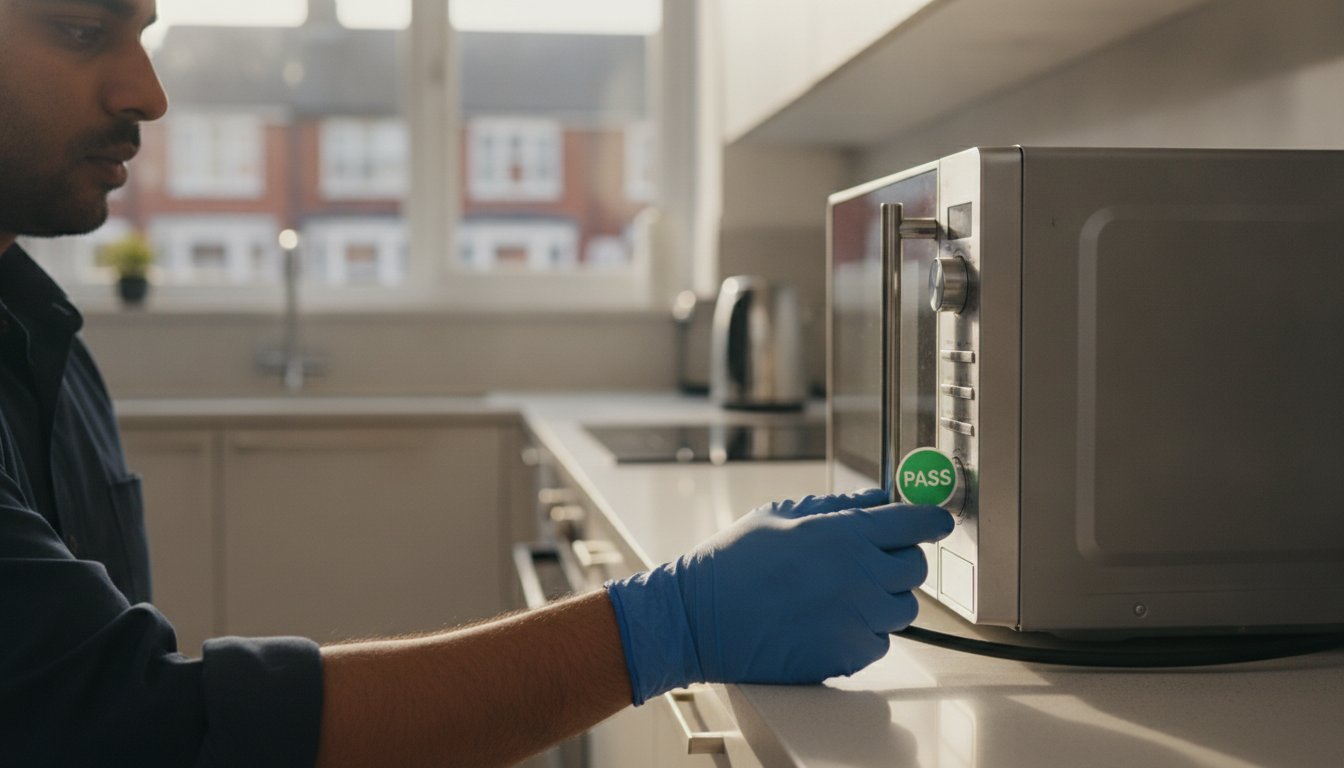
Any appliance that fails must be immediately removed from service or repaired by a qualified professional. Our engineers will label the item with a clear "Fail" sticker and document the specific reason in your digital report. You must then replace the item or ensure it's made safe before tenants are allowed to use it again. This proactive removal is a critical step that prevents electrical fires in high-occupancy shared properties.
Does a new HMO licence application require an up-to-date PAT certificate?
Slough Borough Council often requires up-to-date PAT records as a non-negotiable part of the HMO licensing process. Providing these documents upfront speeds up your application and demonstrates professional management. It's one of the primary indicators inspectors use to assess if a landlord is taking "reasonable steps" to ensure tenant safety. Having your PAT testing for HMO landlords Slough completed early avoids unnecessary licensing delays and potential follow-up inspections.
How long does a PAT testing appointment take for a typical rental property?
A typical appointment for a standard HMO usually takes between 45 minutes and two hours. This timeframe depends on the number of appliances and how easily our engineer can access them. Ensuring communal areas are clear of clutter and providing access to individual bedrooms allows the inspection to proceed at maximum speed. We focus on efficiency to minimise disruption to your tenants whilst maintaining rigorous testing standards.
Will PAT testing damage sensitive electronic equipment like computers?
No, professional testing won't damage sensitive electronics. Our engineers use specialised equipment designed to perform "soft" tests on computers and other IT gear. These tests check for earth continuity and insulation without using high-voltage currents that could harm delicate internal components. Your hardware remains safe throughout the process. It's a standard, non-destructive procedure that provides peace of mind without risking your expensive electronic assets.
Important Information
The information provided in this article is for general guidance and information purposes only and does not constitute legal, financial, or professional property advice. While AG Site Solutions aims to keep all content accurate and up to date, property regulations, landlord obligations, EPC requirements, and housing legislation may change over time. Readers should always seek professional advice or consult the relevant authorities before making decisions relating to property compliance, tenancy matters, Energy Performance Certificates (EPCs), landlord responsibilities, or legal obligations. Some articles may be created or assisted using AI-supported content tools and are reviewed and enhanced using real industry experience and property compliance knowledge. For professional assistance, quotations, or compliance support, please contact AG Site Solutions directly via agepc.co.uk